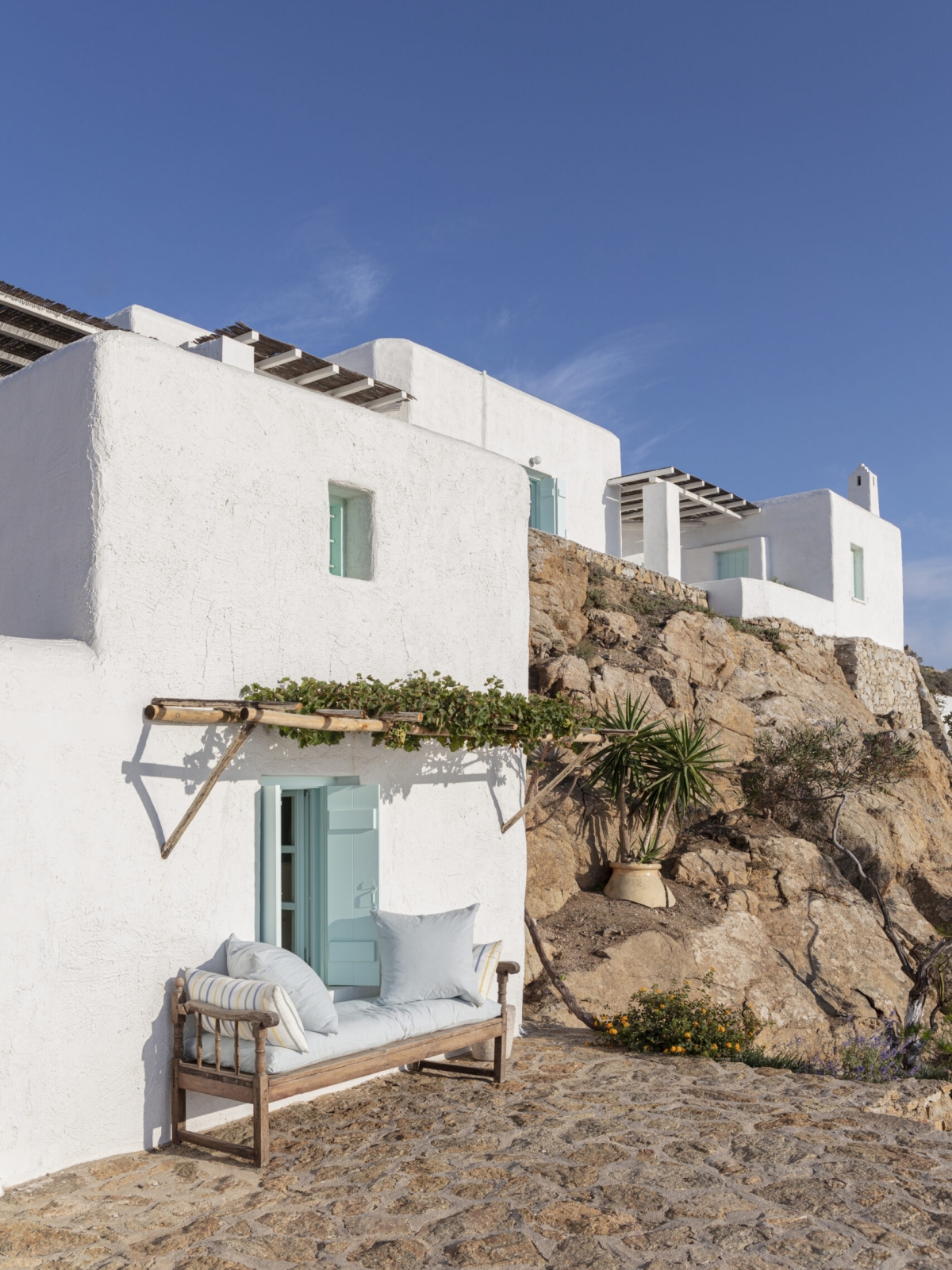
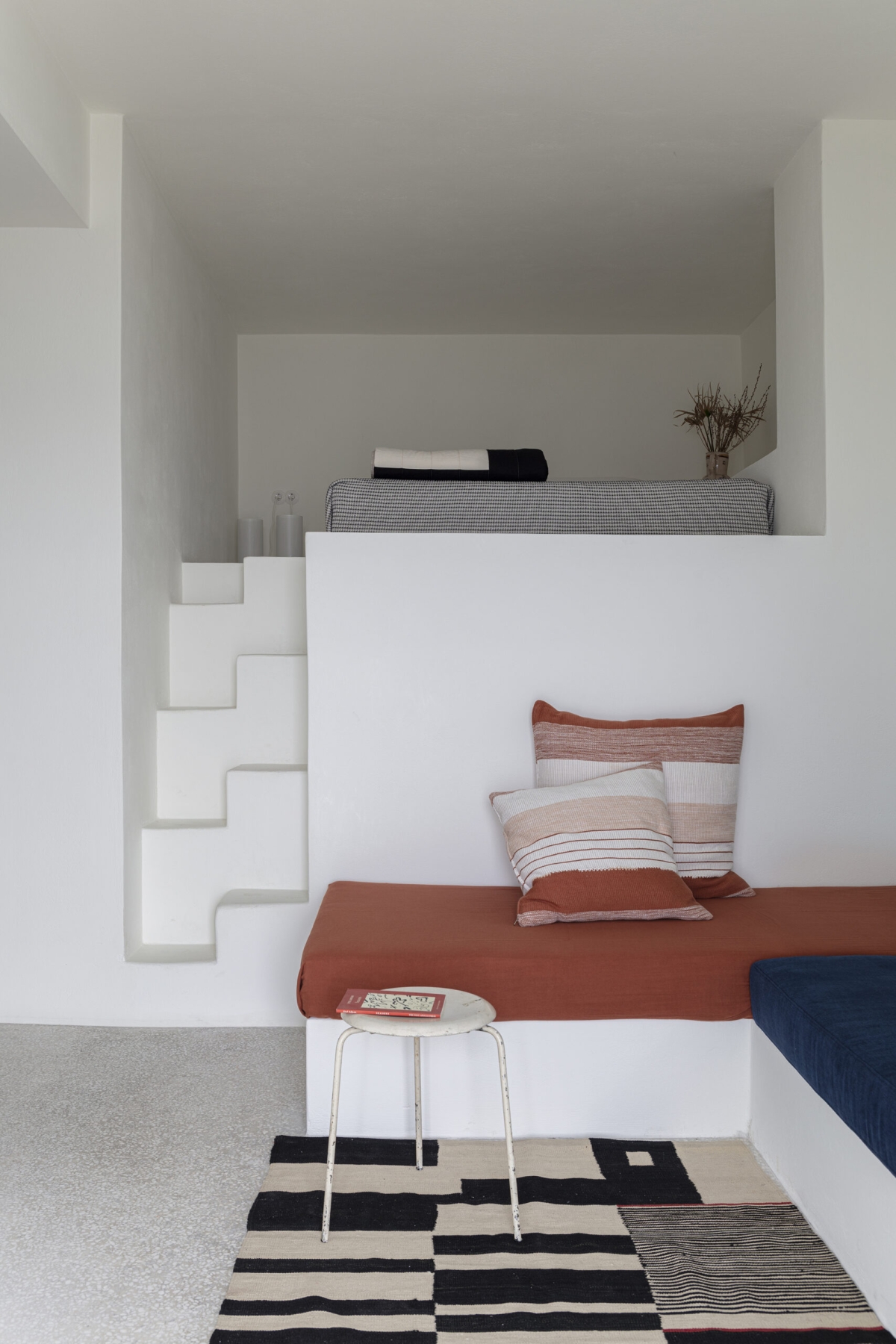
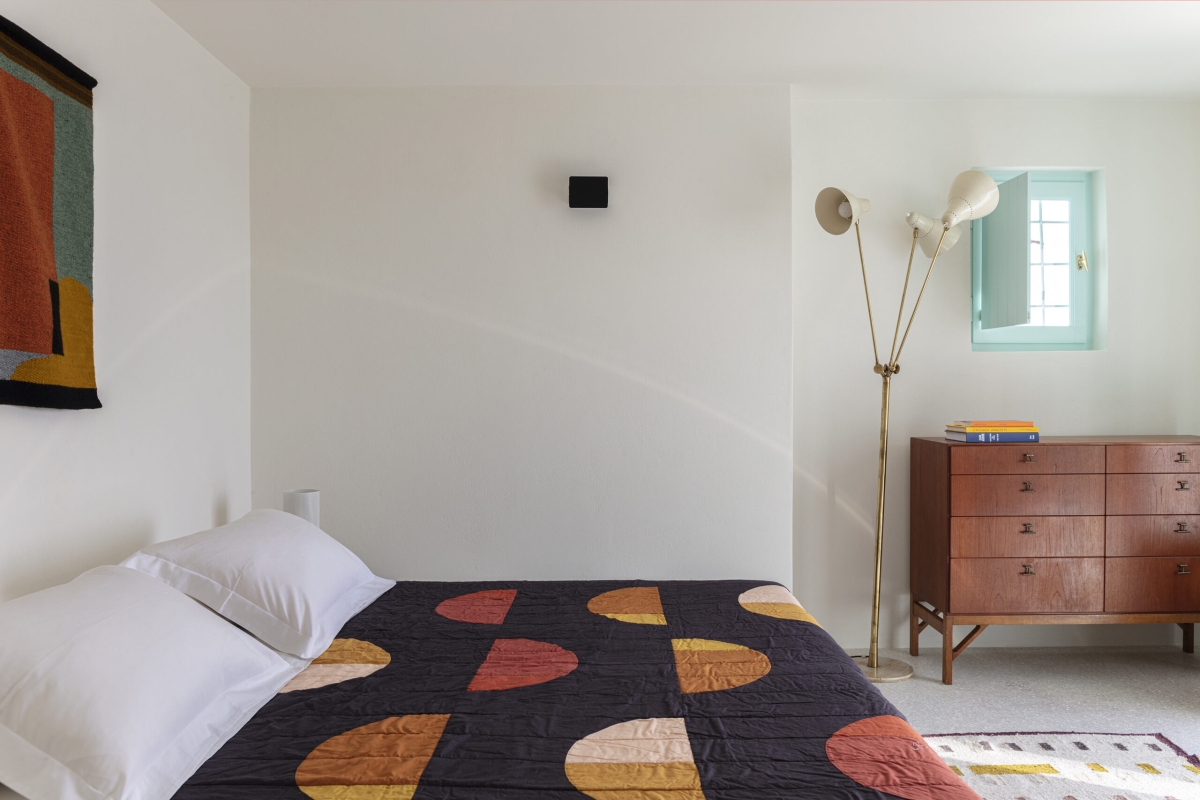
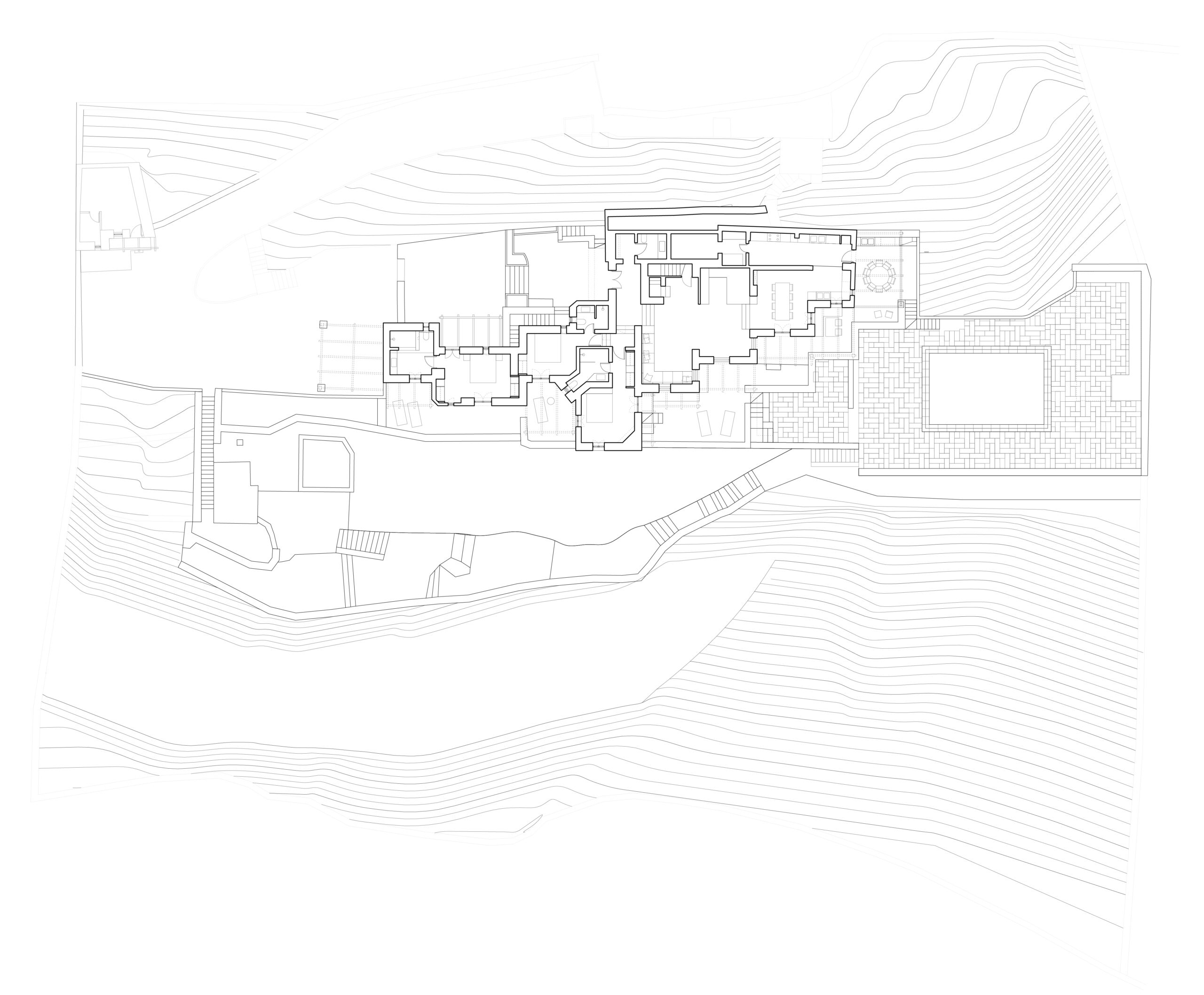
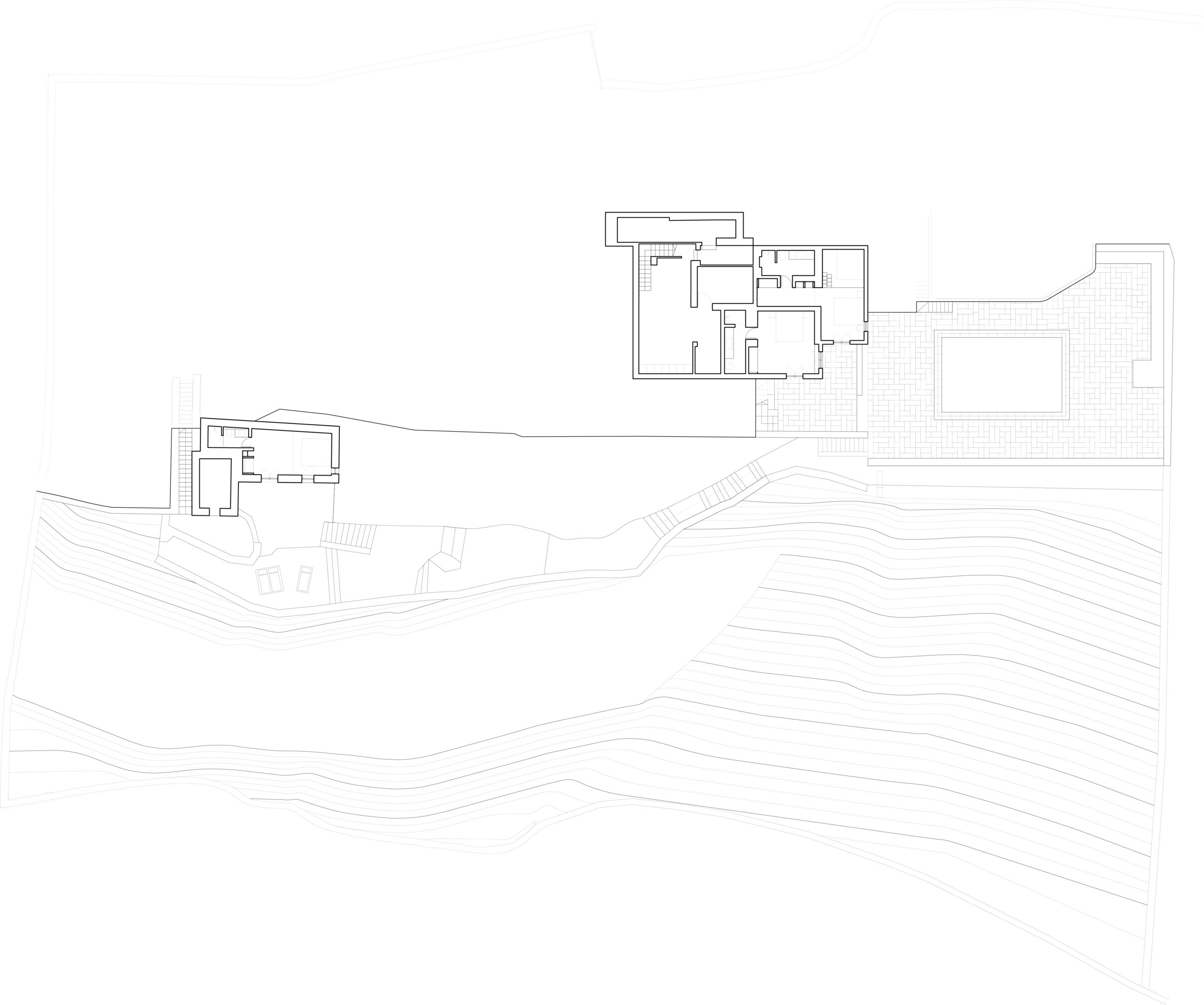
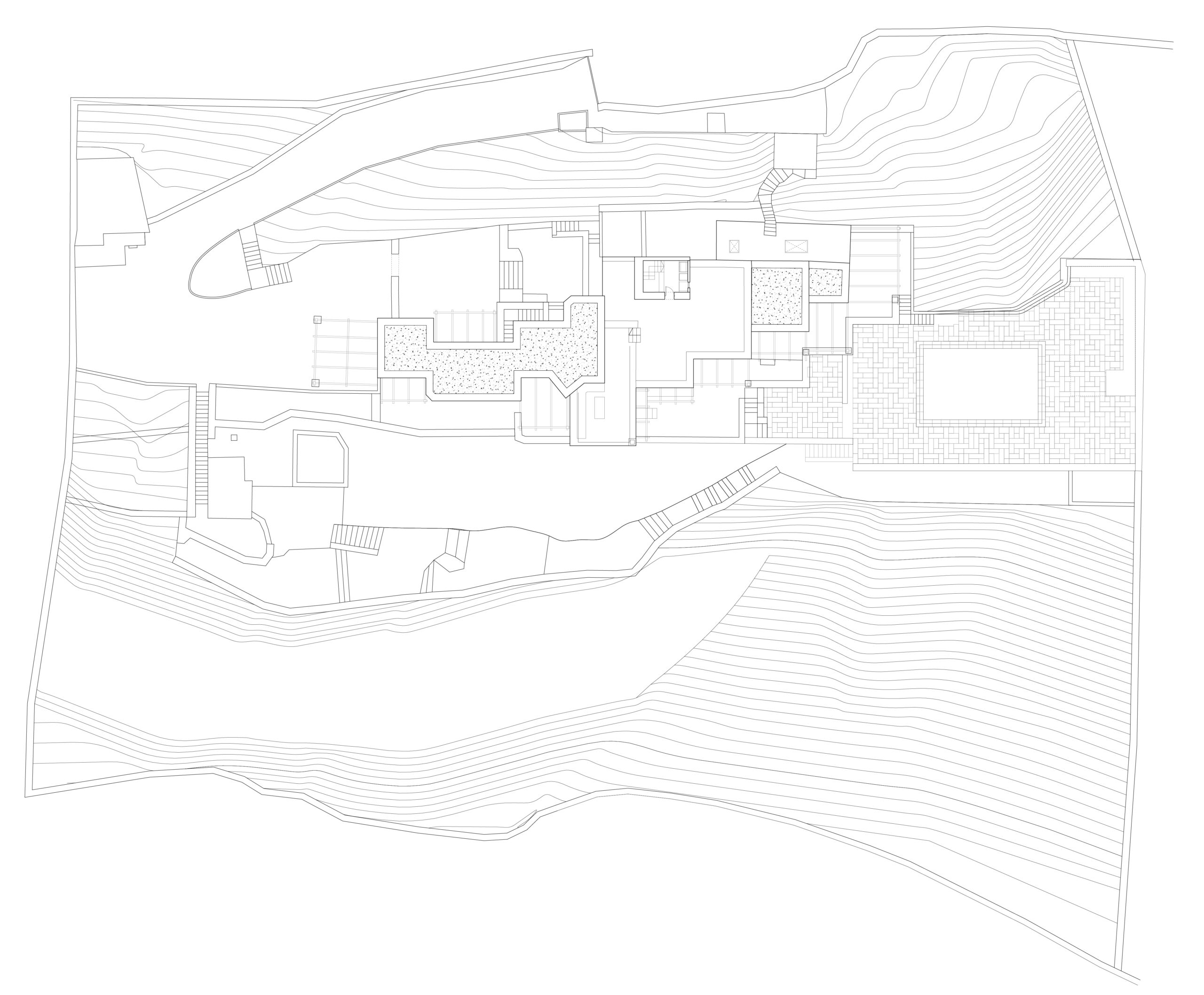
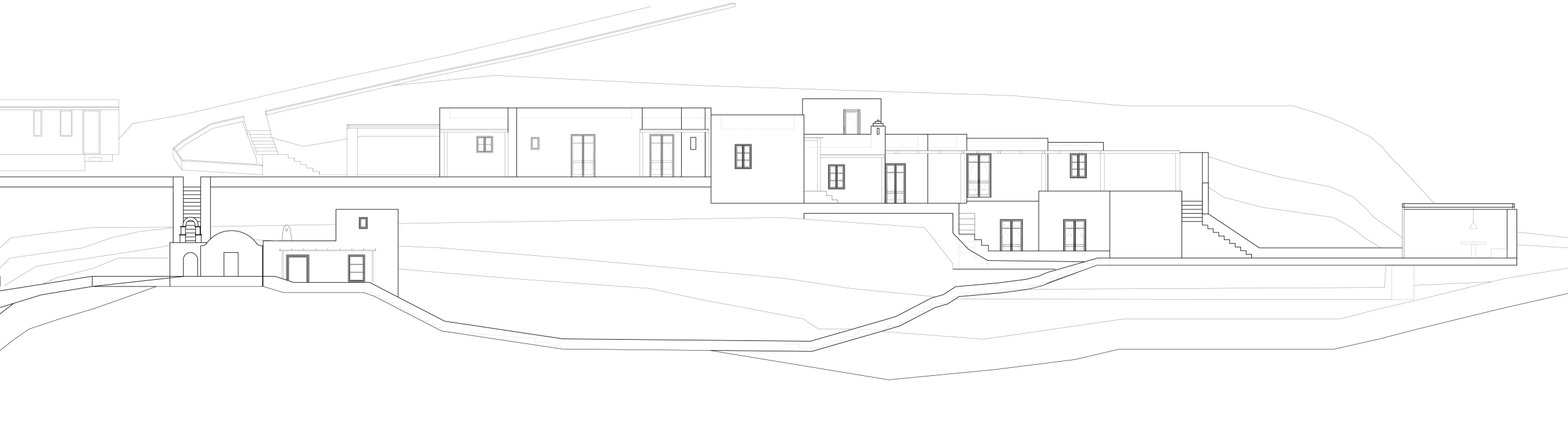

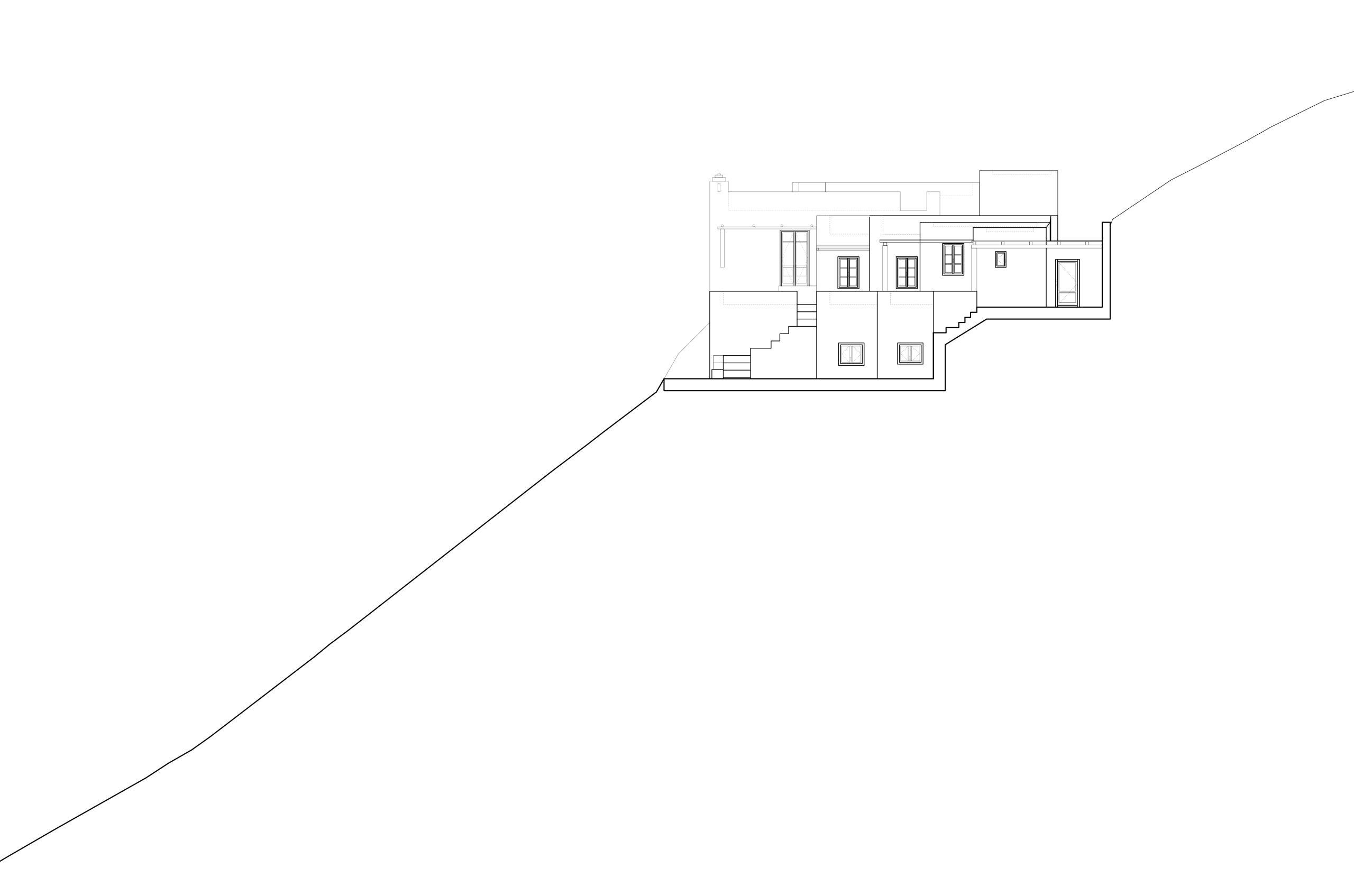
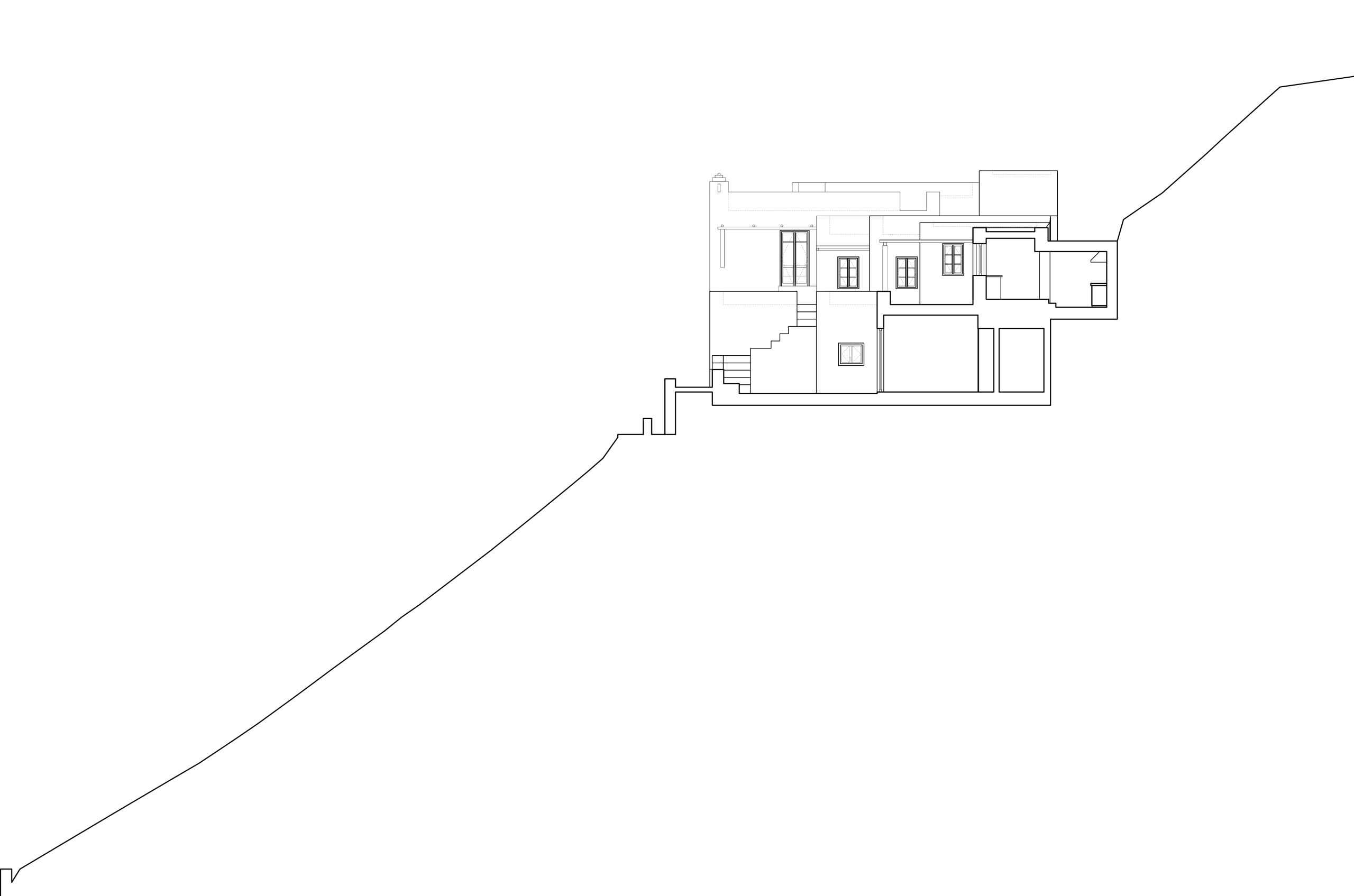
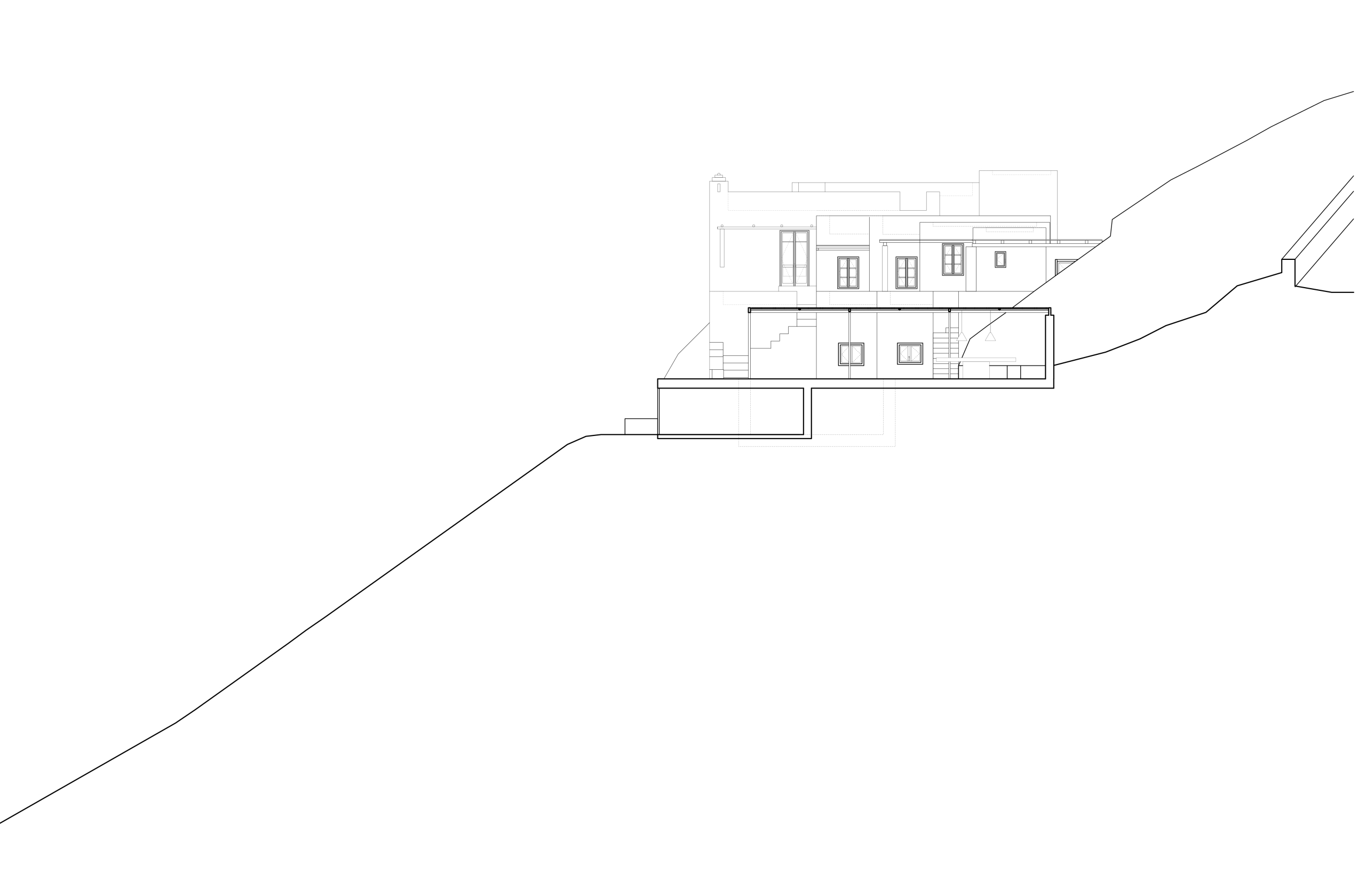
Papyrella is the renovation of a 30-year-old vacation villa on Mykonos, originally built in 1989 on a rocky site overlooking the sea and sunset. Over time, the house had grown through a series of additions, resulting in a complex but fragmented assembly lacking clear circulation and spatial hierarchy.
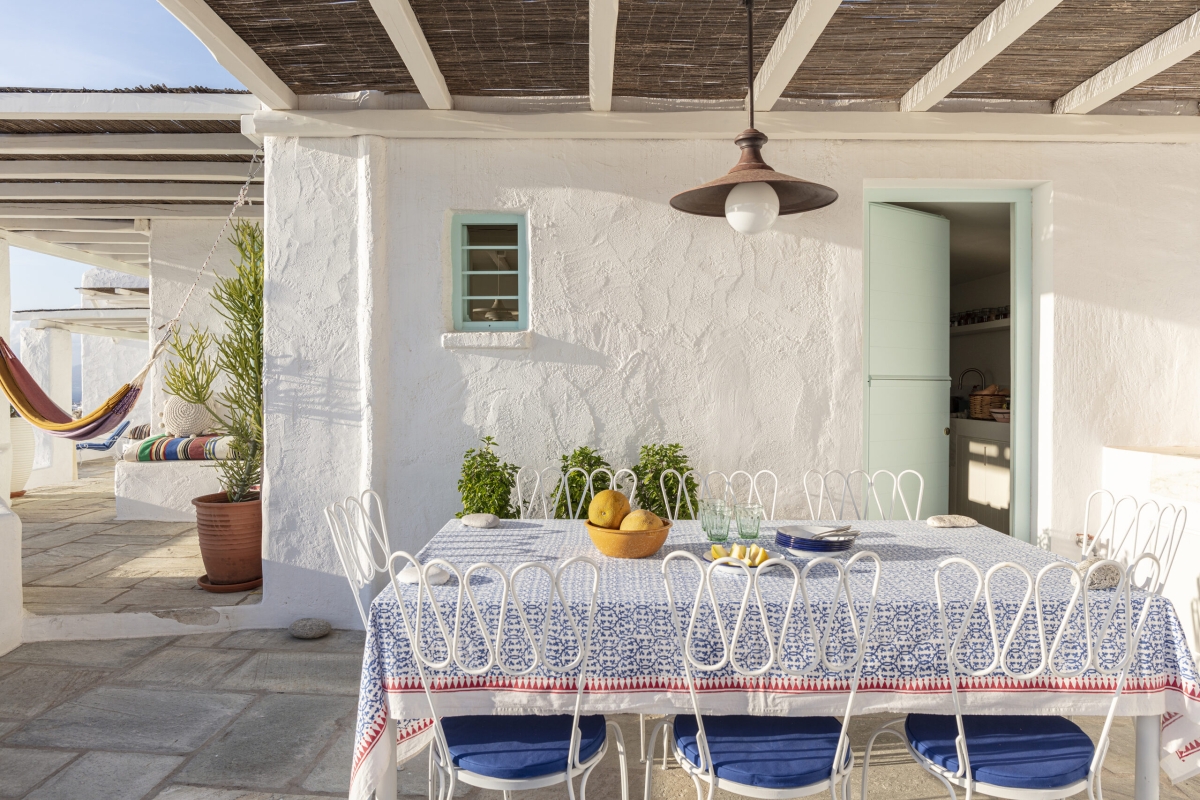
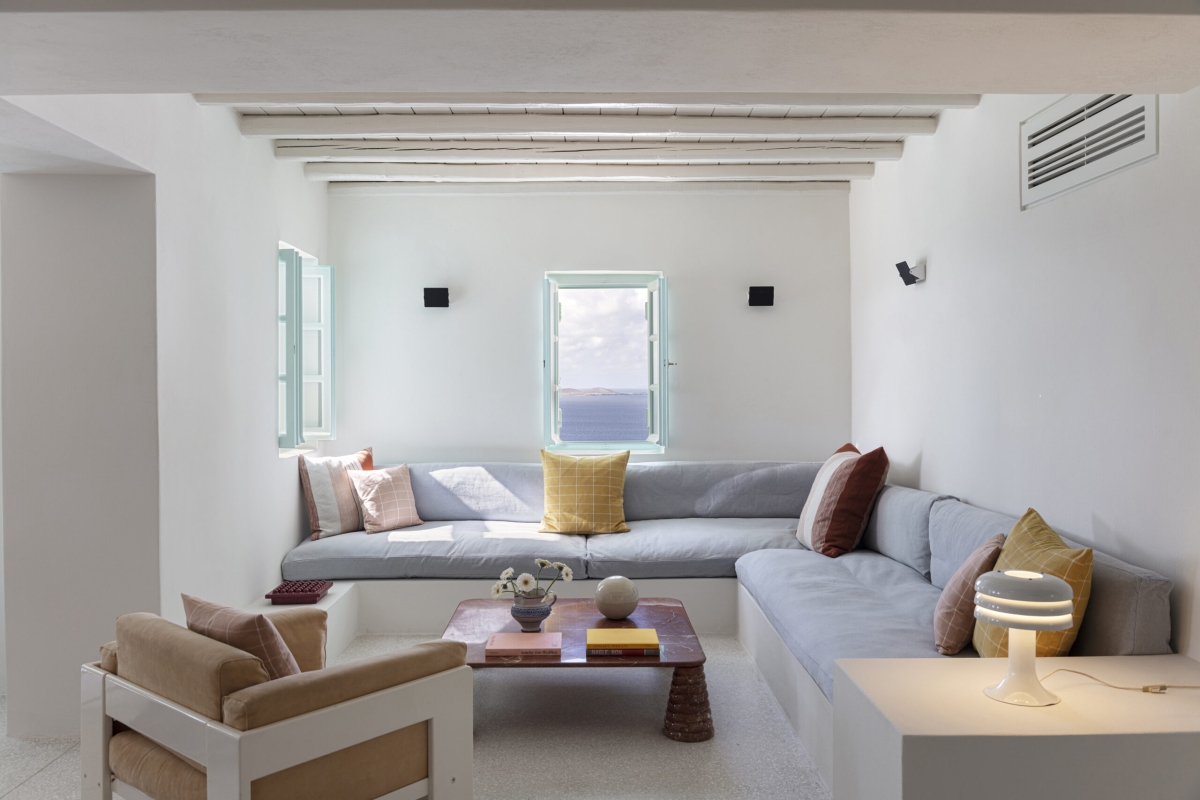
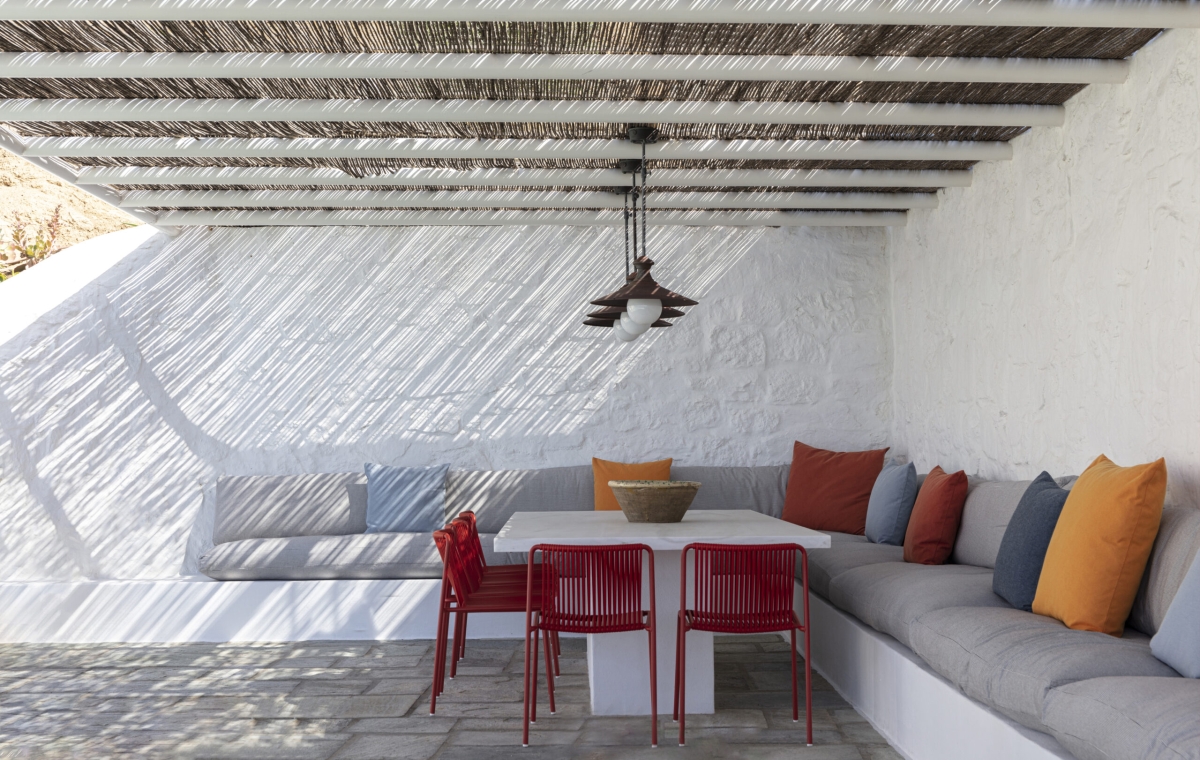
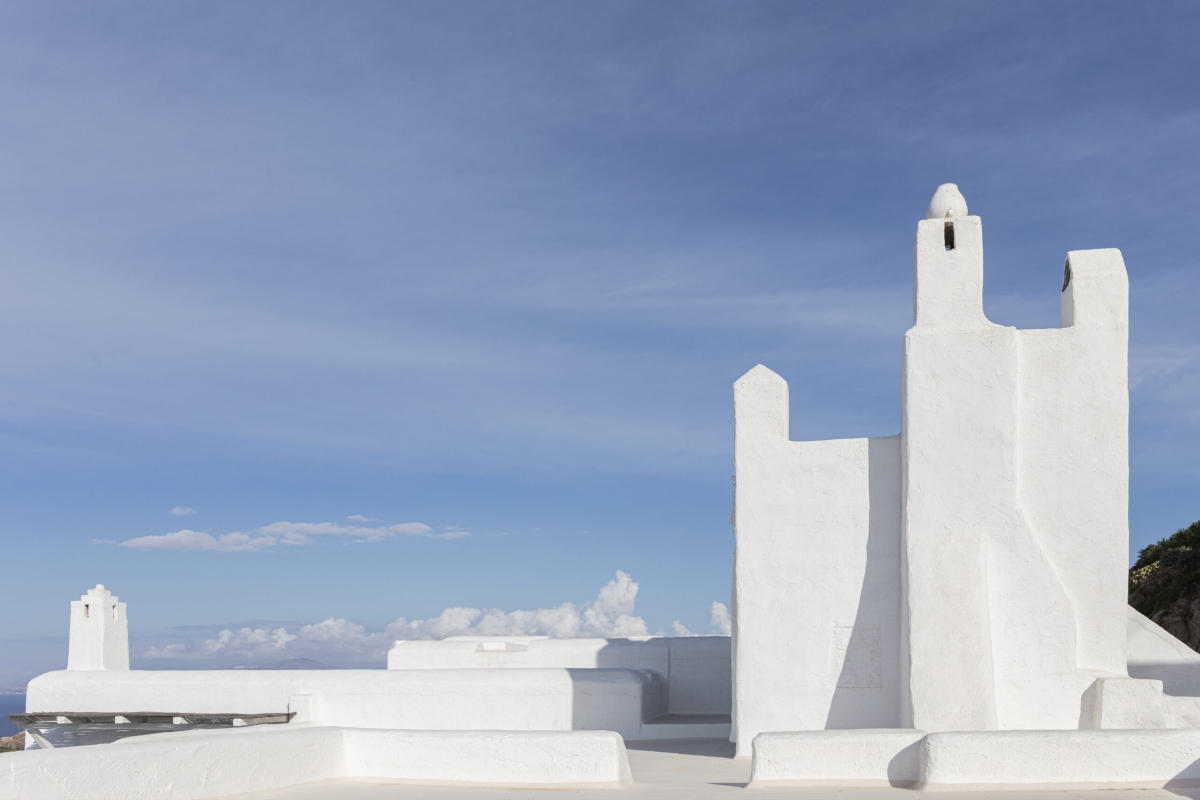
The architectural approach focused on targeted, precise interventions that reorganised both interior and exterior spaces while preserving the house’s vernacular Cycladic character. Existing elements were carefully retained, including wooden ceilings, textured exterior walls with varied mortar finishes, carved wooden doors, and stone paving sourced from Mount Pelion. These layers of material history were treated as integral to the project’s identity.
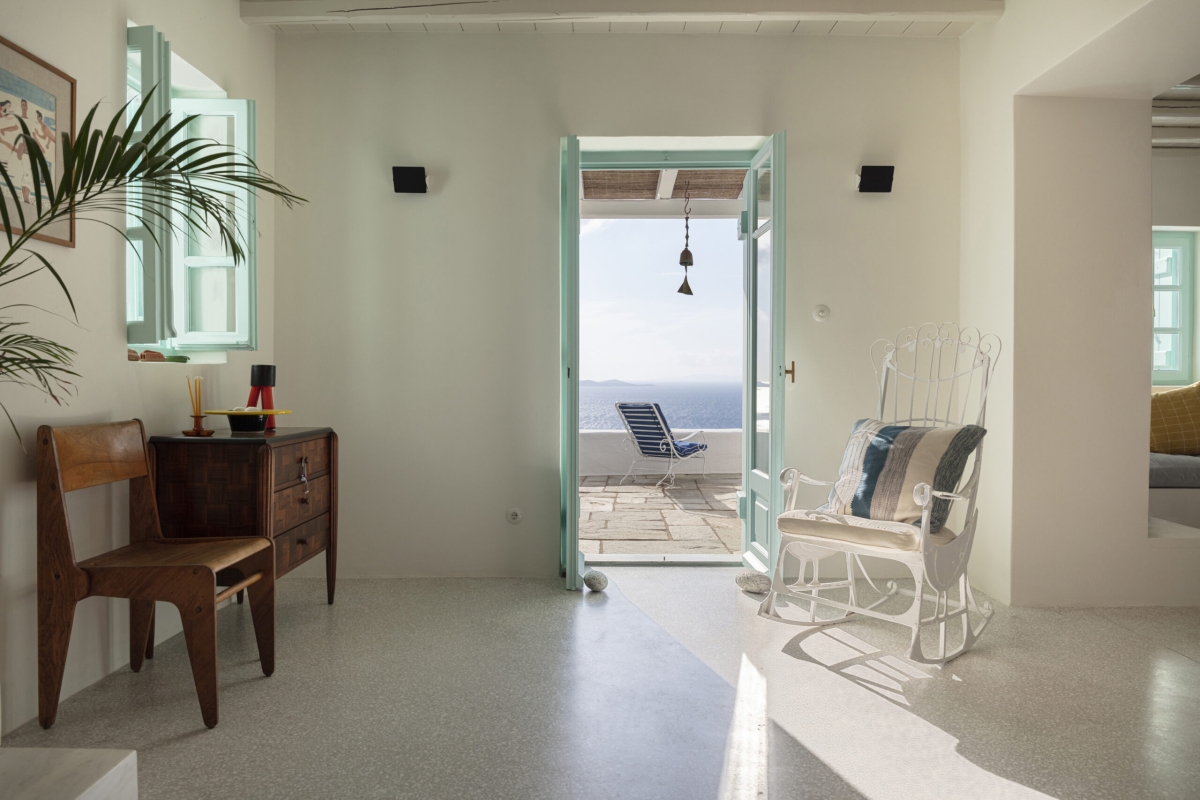
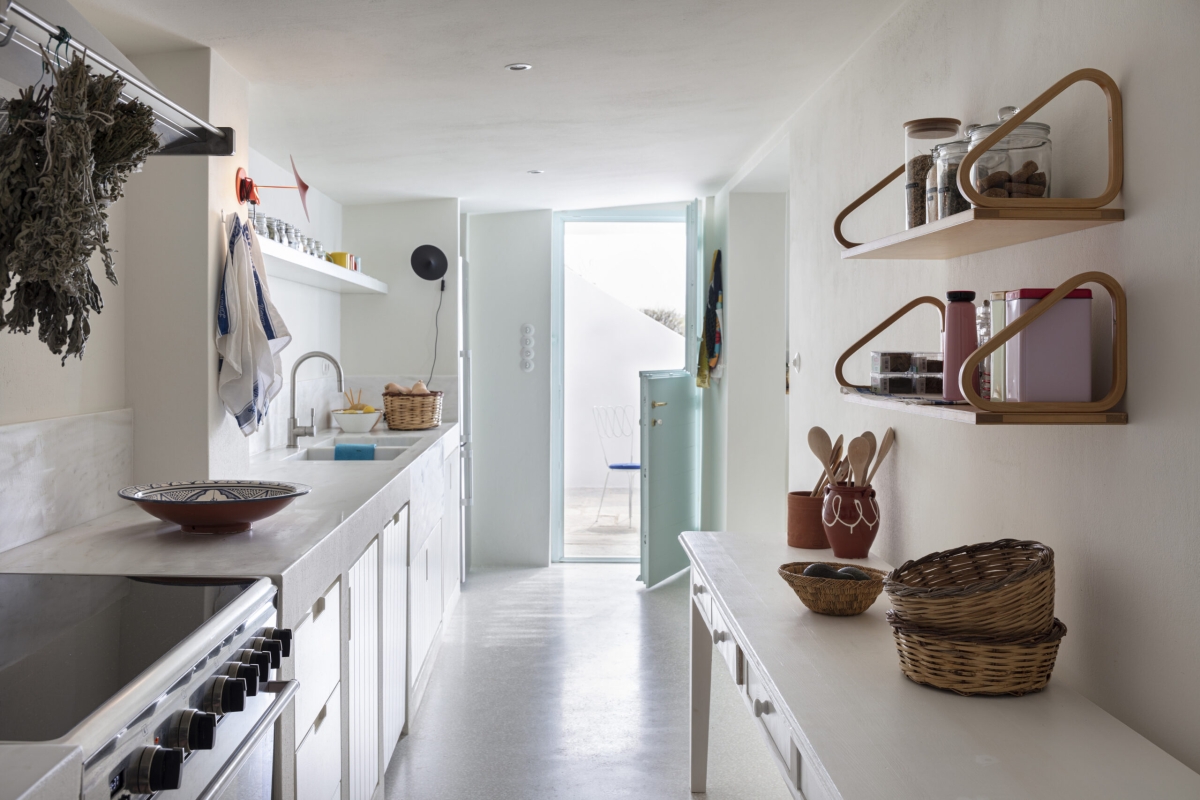
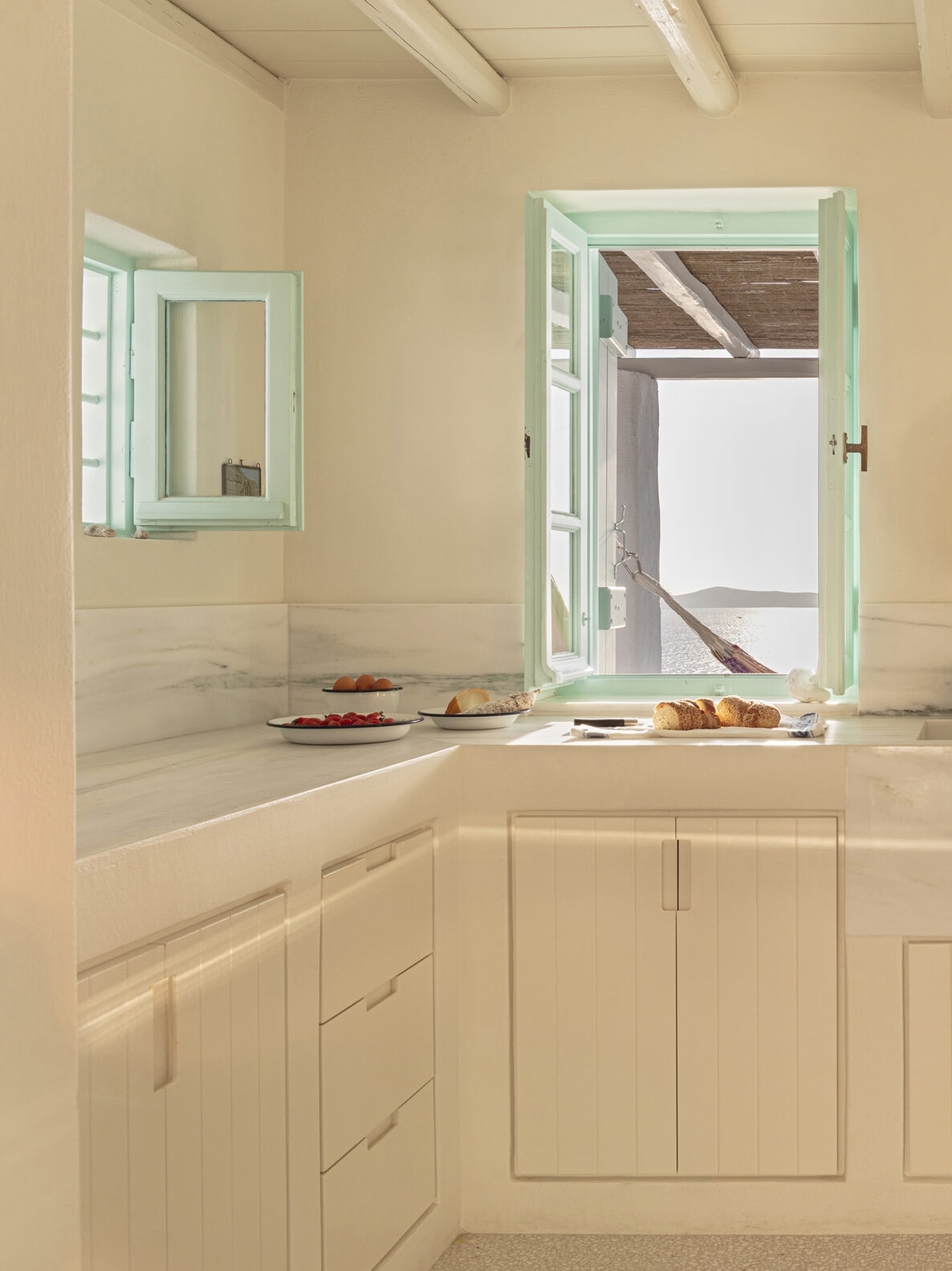
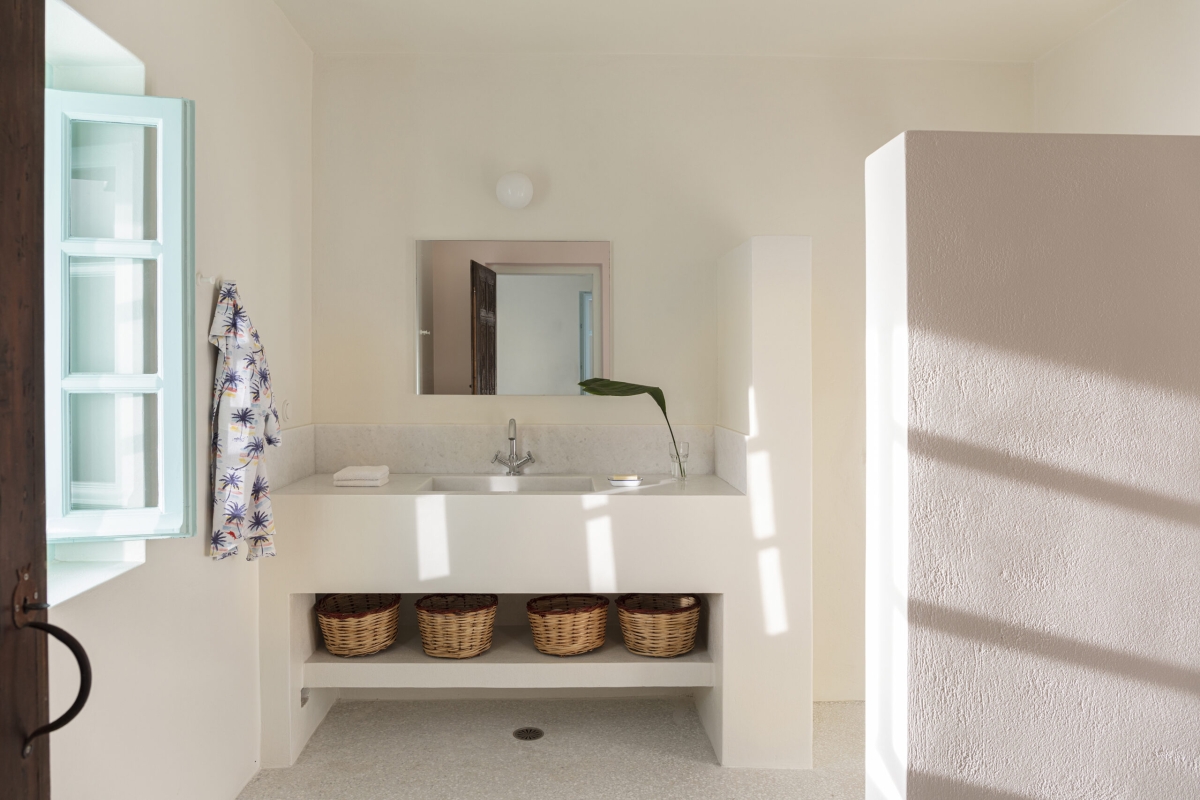
New interventions introduce a controlled contemporary language through material continuity rather than contrast. Terrazzo floors unify the interiors, while timber windows and shutters are repainted in a light aqua tone. Bathrooms and kitchen surfaces incorporate Greek marbles from Naxos and Pentelikon, reinforcing a regional material palette.
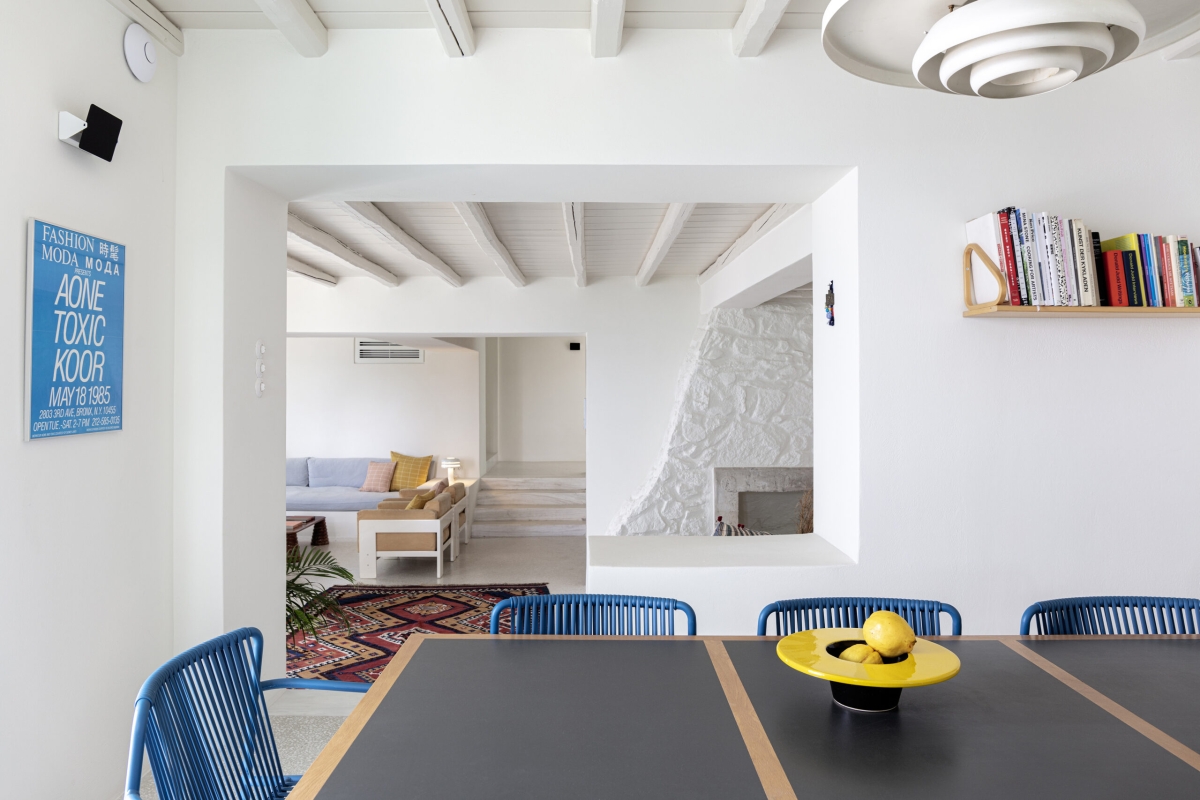
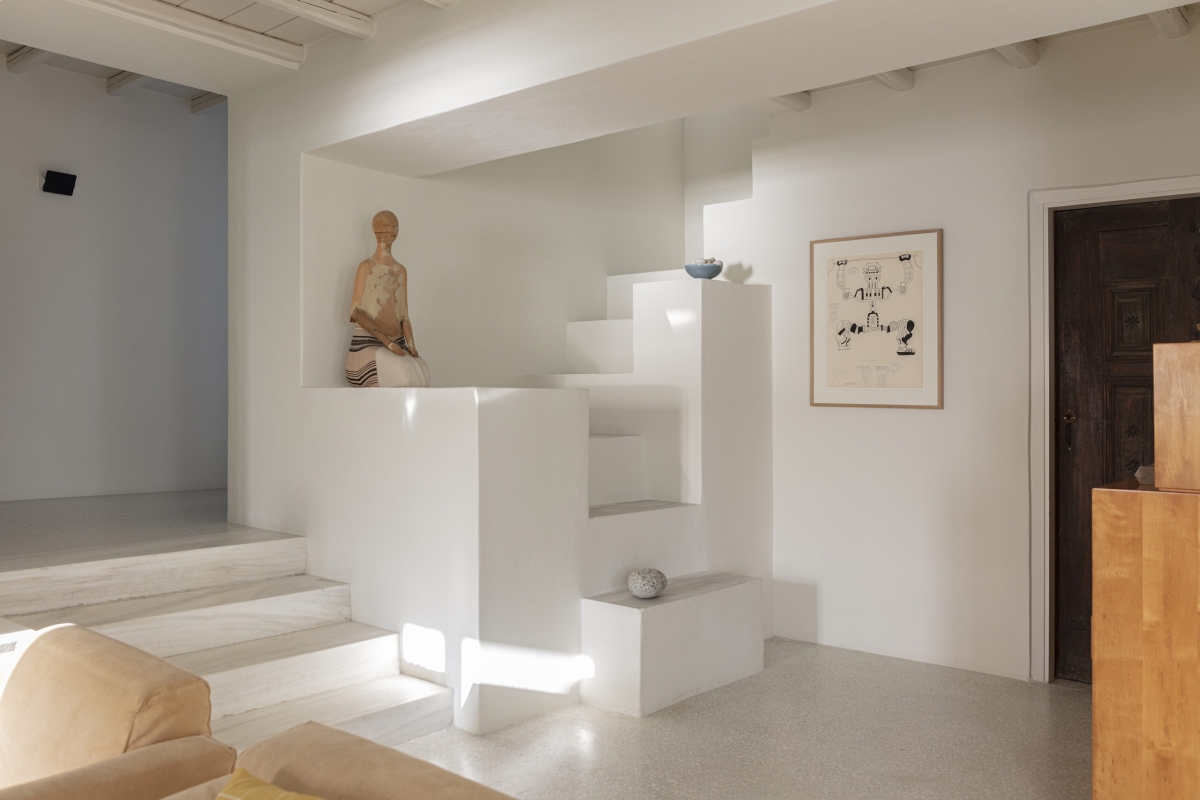
Spatially, the project follows an architectural “acupuncture” strategy, introducing small but decisive changes with maximum impact. Public areas were extended, terrace levels consolidated, and smaller rooms merged to re-establish hierarchy and flow. Designed for seasonal rental, the house accommodates varying degrees of publicness while maintaining a balance between intimacy and openness.